
Build an approval‑ready credit profile
Understand what’s driving your credit decisions, identify items that may be unfair or inaccurate, and take a structured next step toward stronger approvals and better terms.
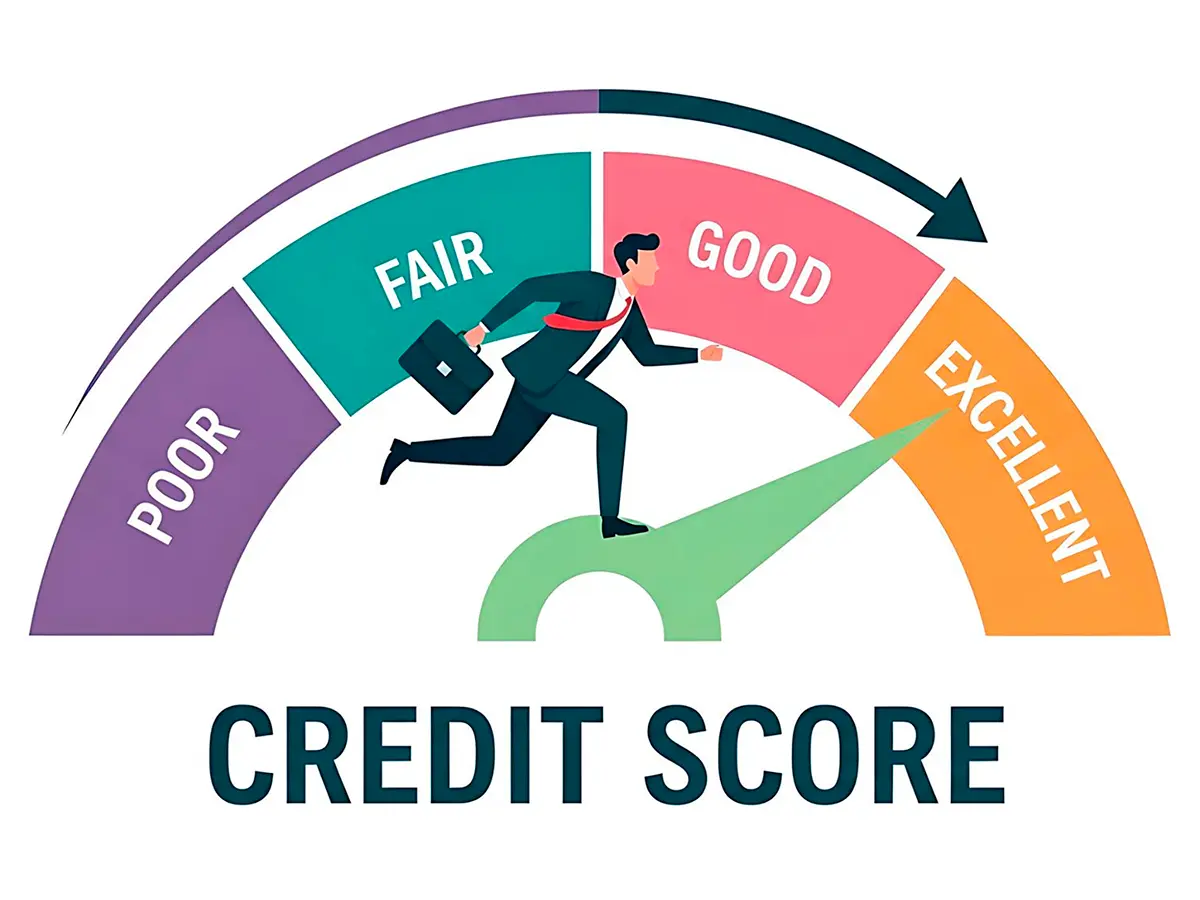
Built around established U.S. credit reporting practices and dispute procedures under the Fair Credit Reporting Act (FCRA). No unrealistic promises—just clarity, documentation, and structured credit improvement.
Unlock more options
Choose the outcome you care about. We’ll outline what improves it—and what to watch for—so you can move forward with confidence.
Your path to stronger credit
A stronger credit profile can mean better approval odds, improved loan terms, and more financial flexibility. Get a clear, no-fluff overview of what credit improvement can help you achieve — then take the next step when you're ready.
Credit decisions in the U.S. are typically influenced by payment history, utilization ratios, account age, recent inquiries, and the accuracy of reporting across major credit bureaus.
Even small inconsistencies can affect lending algorithms. A structured credit improvement approach focuses on verified data, responsible usage patterns, and consistent financial behavior.
*Results vary. This page does not guarantee outcomes.
How it works
A straightforward workflow used by reputable credit‑support programs: review, challenge what’s questionable, and build stronger habits while updates are processed.

Review your starting point
Clarify your goal and look at what’s currently affecting approvals and terms.

Identify what can be challenged
See what information is typically needed, what to expect next, and how the workflow usually looks.

Move forward
Continue to explore available options and take the next step toward better credit outcomes.
how to start building credit with confidence and control
I looked for a path that worked without luck or guesswork. What mattered most wasn't a secret product; it was picking a starter tool, using it predictably, and letting the bureaus see that reliability month after month.
First moves that show up fast
Credit scores respond to payment history, balance usage, and account age. You can't speed up time, but you can design clean data from day one.
- Open a starter tradeline. A secured credit card or a credit-builder loan is practical when you have little or no history. With a secured card, you place a refundable deposit and get a small limit; with a builder loan, your payments are saved and reported each month.
- Automate on-time payments. Set autopay for at least the statement balance. One late mark hurts more than any small hack helps.
- Keep utilization low. Use under 30% of your limit, ideally under 10% when the statement cuts. Weekly micro-payments make this easy.
- Report what you already pay. Some services can add rent and utility history. Confirm which bureaus they feed and whether there's a fee.
- Check your reports. Review the three major bureau files and dispute clear errors. Accuracy is part of the strategy.
A real moment that changed my results
At a grocery checkout, I used a $300-limit secured card for a $27 basket, then paid it that evening from my phone. That tiny purchase posted, the statement cut with low utilization, and within two cycles my thin file turned into a score I could actually plan around - quiet, boring, effective.
Your option set, at a glance
Secured credit card
Usability: Everyday spend, easy autopay, simple habits. Trade-offs: Deposit ties up cash; watch for annual or monthly fees. Look for reports to all three bureaus and a clear path to "graduate" to unsecured.
Credit-builder loan
Usability: Set-and-forget fixed payments; builds installment history, which diversifies your file. Trade-offs: Small interest cost; funds unlock at the end. Pair with a low-use card for best effect.
Authorized user status
Usability: Fast history if the primary has long, clean records and low utilization. Trade-offs: Not all issuers report authorized users the same way; you inherit their balance patterns. Agree on guardrails and confirm reporting before relying on it.
Keep risk low while points rise
- Avoid carrying interest; pay in full.
- Skip rapid-fire applications; space them by a few months and favor soft-pull prequalification.
- Keep emergency cash so you never miss a due date.
- Freeze your credit when you're not applying to block surprise accounts.
What to expect over time
First scores often appear 30 - 60 days after your tradeline reports. By month three, consistent low utilization and on-time payments start compounding. In 6 - 12 months, many see a move into more affordable tiers, opening doors to better rates and higher limits you can use sparingly as leverage for the next step.
Measure what matters
Track both FICO and Vantage if available, but don't chase every point. The scoreboard lags; the game is the routine: on-time, low balance, aging accounts. If you keep that cadence, the market tends to meet you halfway as offers improve - then you can choose what aligns with your goals next.
Build small, keep it visible to the bureaus, and let time do work you don't have to redo later.
5 tips to start building credit - 1. Apply for a secured credit card - 2. Become an authorized user - 3. Take out a credit-builder loan - 4. Use credit responsibly.
To start building credit, secured credit cards would be a good place to start. This is where you put money on deposit and the bank uses that ...
I was thinking of joining Capital One bank or maybe Discover and I looking into getting a Experian smart money cards.
Frequently asked questions
A clear next step — without the guesswork
See what’s impacting approvals and what may deserve a closer look.
Understand how disputes are structured and what documentation matters.
Improve utilization, consistency, and long-term credit stability.
See what improving your credit could change
Take a structured next step based on your current profile — and decide with clarity.